

This growing trend highlights the need for increased awareness and robust verification measures within both the insurance and legal sectors.

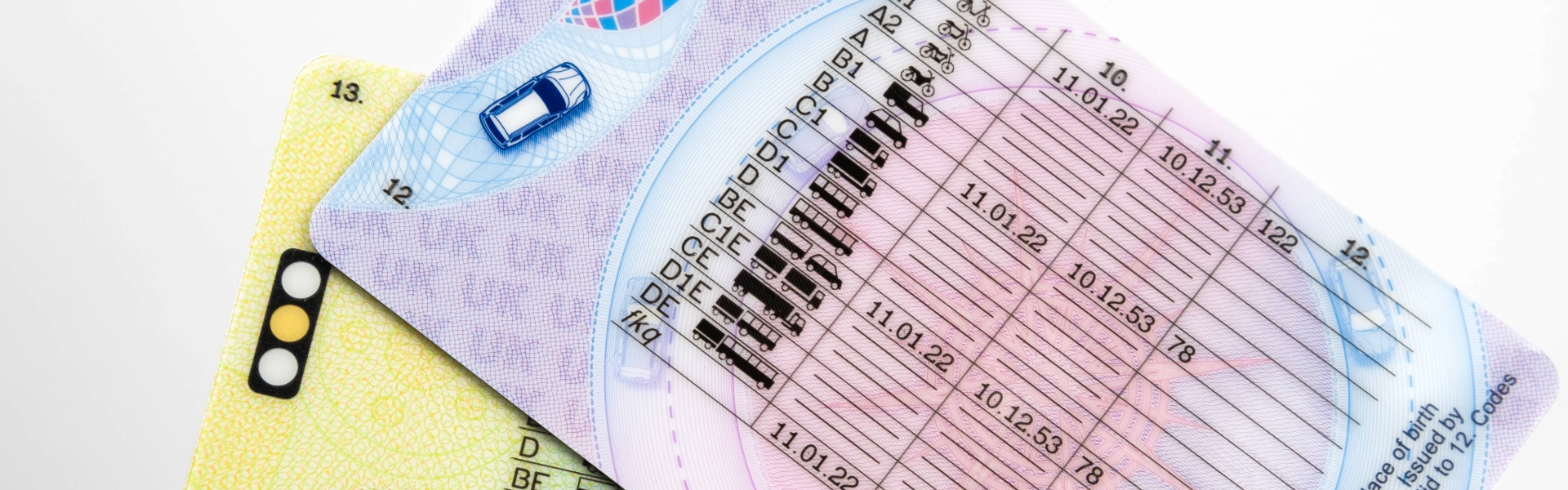
Our Intelligence team has identified a concerning trend this year – an increase in the presentation of fake foreign driving licences within personal injury litigation. So far in 2025, we have detected over 40 fraudulent licences, 11 of which surfaced in the past month alone.
Spotting the Signs
Our intelligence specialists are trained to identify forged documentation, including driving licences. The sophistication of these fakes varies, but several tell-tale signs often reveal the truth.
Common red flags include:
- Incorrect fonts or misaligned text
- Information positioned in the wrong area of the card
- QR codes that do not revert to the issuing authority
- Issue and renewal dates that breach local licensing rules
- Inaccurate security features, holograms, or card materials
- Formatting and layout errors inconsistent with genuine designs
Many of these forgeries are suspected to trace back to organised criminal networks producing counterfeit identity documents at scale. Others are openly sold online, marketed as “novelty items” or “party accessories”. Yet, in practice, it is clear that some suppliers are fully aware these products are being used for fraudulent purposes.
Legal and Practical Consequences
The implications of submitting false identity documents in a civil claim are serious.
A claimant who knowingly provides a fake driving licence risks:
- Invalidating their claim entirely
- Facing allegations of contempt of court
- Potential referral for criminal investigation
However, the issue extends beyond fraudulent claimants. Innocent victims may also suffer consequences where another driver was operating illegally under a false identity. In such cases, questions arise over insurance validity and liability cover, potentially complicating genuine claims.
Protecting the Integrity of Claims
Our Intelligence team continues to work alongside our insurer clients to detect and disrupt this emerging form of fraud. Our aim is not only to protect insurers’ financial interests but also to uphold fairness in the claims process.
This growing trend highlights the need for increased awareness and robust verification measures within both the insurance and legal sectors. It also underscores the value of specialist intelligence expertise in identifying the subtle, technical indicators of document forgery.
As identity fraud continues to evolve, so too must the industry’s methods for detecting it.
Related Insights

Nuisance claim calls – will the government’s latest proposals make a difference?
When our newly crowned King delivered the 2022 Queen’s Speech on her behalf in May, the announcement of the Data...

Expert engineering evidence – the defendant lawyer’s perspective
Published and featured in ‘The Assessor’ When a client says, “I’ve got this great case, but it’s going to need...

Positive news in the battle against spoof advertising
In welcome news for the industry, the government has bowed to the insurer lobby to the effect that social media...

Data Breach and Privacy Claims – The next big thing?
Following the introduction of holiday sickness claims protocols and fixed fees (April 2019), the PPI claim limitation deadline (August 2019)...