
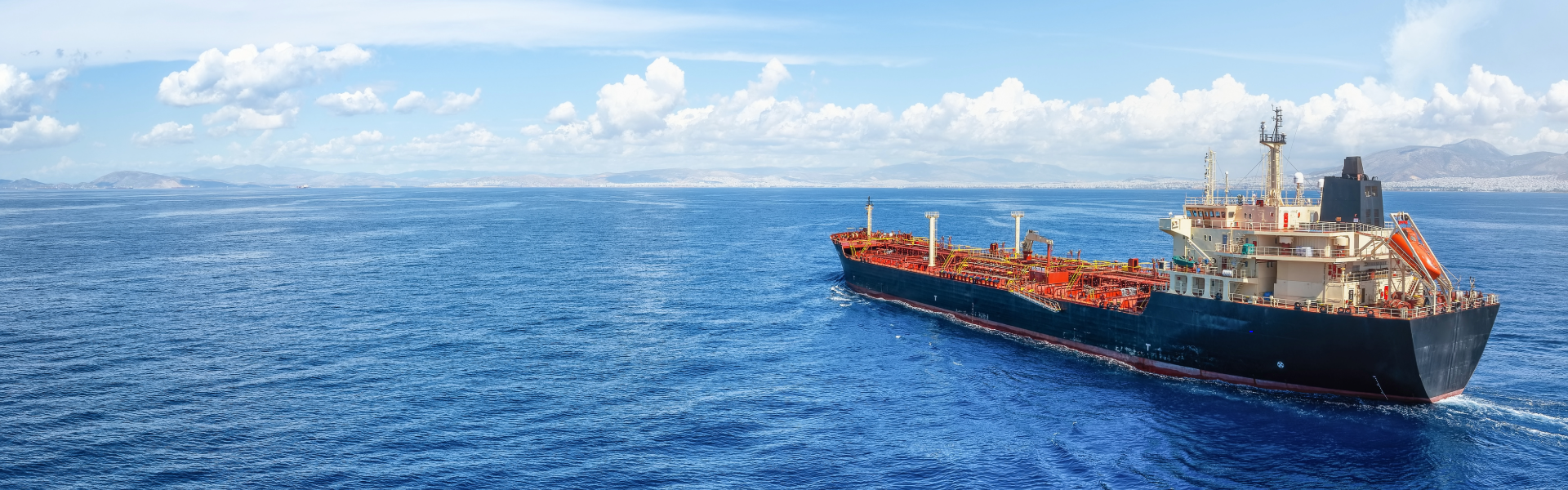
The Strait of Hormuz remains one of the most strategically vital maritime passages in the world. Though just 21 miles wide at its narrowest, it plays a significant role in global energy security and trade.
Current pressures and geopolitical tensions are creating an environment for shipping and marine operators where specialist legal counsel is more important than ever to ensure the resilience of contracts, adequate risk and insurance cover and dispute resolution when needed, alongside a raft of other marine law and sanction complexities.
Why It Matters
Located between Iran and Oman, the strait links the Persian Gulf to the Gulf of Oman and the Arabian Sea. It serves as the primary route for oil and gas exports from major producers like Saudi Arabia, the UAE, Kuwait, Iraq, and Iran. Roughly 18–19 million barrels of oil per day, almost 20% of the world’s daily consumption, pass through these waters. Any disruptions to the oil trade in this region could have a detrimental impact on the world’s largest energy suppliers such as China. This could lead to a dramatic increase in oil prices which presents a serious risk to businesses who heavily rely on oil for production or transportation.
A Persistent Geopolitical Hotspot
The Strait has been central to commercial and military strategy for centuries. In the 1980s, it saw tanker attacks during the Iran–Iraq War. In 2019, Iran seized a British-flagged tanker following the UK’s detention of an Iranian vessel near Gibraltar. And today, it’s back in the spotlight. Tensions in 2025 have escalated sharply. Following various strikes on Iran, they have threatened closure of the Strait with the Iranian parliament voting to shut the strait, pending approval from its National Security Council. Meanwhile, Iran-backed Houthi forces in Yemen continue to target vessels in the Red Sea and Gulf of Aden, creating regional disruption beyond the Strait itself.
Even Without Closure, Disruption Is Real
The Strait of Hormuz doesn’t need to be physically blocked to cause concern. The fear of drone, air, or missile strikes, along with GPS jamming, naval interceptions and insurance spikes are already leading to delayed or rerouted shipments. More recently, a number of vessels have diverted their courses away from the strait in fear of potential closure. In such an environment, even the perception of risk can destabilise markets.
What If It Did Close?
A full shutdown would have immediate and global impact. Tankers would be forced to travel around the Cape of Good Hope, adding weeks in travel time. Energy costs, shipping rates, and insurance premiums could skyrocket and oil prices spike.
Marine Insurance Response
Marine insurers have raised premiums significantly for vessels transiting the Strait of Hormuz and war risk insurance is continuing to come under the spotlight with Lloyds updating its list on conflict zones, leading to insurers recalibrating pricing models. Some insurers are tightening coverage terms and others are withdrawing entirely. These shifts reflect heightened geopolitical risk and are compounding the operational and financial pressures on global shipping.
Legal Complexity and Commercial Risk
Under international law (UNCLOS), the Strait is considered a global waterway, ensuring free passage. But Iran is not a signatory, and historical precedent shows it has challenged these norms during times of tension. For businesses involved in energy, shipping, finance, or global trade, the Strait is not just a transit route, it’s a persistent point of exposure.
Legal counsel plays a crucial role in managing sanctions risk, ensuring contractual resilience and planning for dispute resolution. HF are on hand to assist insurers with various legal issues which may arise from the risks posed in this region.
For support and more information, contact our marine specialists stefanie.johnston@h-f.co.uk ; liam.mcguigan@h-f.co.uk
Related Insights

How the Escalating Iran Crisis Is Impacting Marine, Aviation and Cyber Risk for Clients
The Middle East has entered a period of severe instability, with the Strait of Hormuz experiencing a rapid escalation in...

Ports & Marine Facilities Safety Code – Are You Ready?
It’s been just over a month since the updated Ports & Marine Facilities Safety Code came into force. Its impact...
A New EU Deal, Familiar Waves for Scottish Fishing
Prime Minister Keir Starmer’s new agreement with the EU will keep the current status quo for fisheries in place until 2038, giving...

A Collision of Two Halves
Irish Admiralty High Court Offers Rare Guidance on International Collision of Vessels under the COLREGS 1972 “After a period...